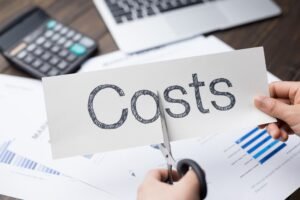

Financial planning can seem daunting when you’re strapped for cash, knowing exactly how much you need even before your income comes in. Traditional financial advice often falls short because it ignores the reality of life’s limitations and difficult choices. In these situations, thoughtful, informed, and proactive budgeting is crucial. This doesn’t imply economizing, but rather maximizing every dollar. Regardless of your income, shifting your mindset from simply making ends meet to actively striving for excellence will give you greater control over your finances and a sense of security.
This guide goes beyond generic lists and offers researched and practical tips to help you save money, reduce financial stress, and lay the foundation for a more stable future. It demonstrates that everyone, regardless of income, can achieve financial progress.
Mastering Your Cash Flow with Precision Tracking:
To gain control of your money, the first step is to clearly understand where every penny goes. Record every expense, regardless of the amount, for a month. You can use a simple notebook, a memo app on your phone, or a free budget template. The point isn’t to judge, but to judge information. Divide your expenses into two categories: essentials, such as rent, utilities, and groceries; and non-essentials, such as snacks or impulse buys.
This approach will almost certainly reveal unexpected spending patterns and help you find “budget holes”—those seemingly insignificant daily expenses that are slowly depleting your budget. This detailed financial chart is the first piece of information you need to create a budget that truly reflects your situation, allowing you to make informed adjustments.
Minimalist Budgeting: Prioritize Necessities Over Non-Essentials
The next step, after you clearly understand your expenses, is to create a “minimalist” budget. This means limiting your spending to the bare minimum necessary to cover your living expenses and meet basic obligations, such as housing, food, utilities, commuting, and debt payments. The goal is to figure out which expenses are constant in your monthly life. By subtracting these basic expenses from your income, you’ll know how much money you have left to spend. This exercise is especially useful because it helps you understand your true financial base, appreciate the importance of every penny of disposable income, and distinguish between genuine necessities and deep-seated desires—a skill vital for achieving financial stability on a tight budget.
Strategic Grocery Planning to Slash Your Largest Flexible Expense:
Food is often the second-largest expense after housing, but it’s also one of the most versatile items. By cooking ahead of time, you can save significantly on groceries without sacrificing nutritional value. First, create a detailed grocery list based on flyers and store offers, and then stick to it rigorously. Store brands are typically much cheaper than well-known brands and often offer comparable quality. Increase your intake of plant-based proteins, such as beans, lentils, and eggs. These are much cheaper than meat. Consider purchasing basic groceries from discount or ethnic supermarkets to significantly reduce your expenses. These planned measures can help you save 20% to 30% on groceries, leaving you with more money for other financial goals.
Continuously Reduce Your Monthly Bills:
Monthly bills aren’t fixed; you can usually negotiate prices. Review your services, such as phone, internet, and insurance. Call your provider to inquire about renewal offers or cheaper plans to ensure they still meet your needs. For utilities like water, electricity, and gas, consider payment plans to spread the cost over the year so you don’t have to pay extra at certain times of the year. Look for assistance programs you may be eligible for, such as Lifeline for phone service or the Low Income Family Energy Assistance Program (LIHEAP). Even small monthly discounts can add up to significant savings that you can use to build an emergency fund or pay down debt.
Easy Ways to Make Money:
Cutting costs is important, but the amount you can save is limited. Therefore, investigate how to increase your income, even if only slightly, and transform your life. The gig economy offers many flexible jobs, such as delivery drivers, pet care, or online part-time work. If you excel in writing, graphic design, or tutoring, consider using your skills on a freelance platform. Look for “casual” jobs, such as neighbor-sitting or gardening. Every penny you earn can ease financial pressure and accelerate your financial progress. Put any windfalls, such as tax refunds or donations, directly into your emergency fund or use them to pay off debt for significant progress.
Conclusion:
Learning to budget on a limited income is one of the most important things you can do. This requires creativity, resilience, and determination to make the most of every penny. The methods mentioned above aren’t magic bullets; they are long-term habits that will gradually help you develop greater financial responsibility and self-confidence. Remember, progress is measured in inches, not miles. Saving your first $100 is a huge victory. By consistently following these rules, you’ll not only manage your budget but also build a solid financial foundation, break the cycle of financial stress, and actively create a life that’s not only manageable but also truly flourishing.
FAQs:
1. Can I really save money if I don’t have much?
Yes, starting small is definitely possible. The primary goal isn’t to save a lot of money, but to develop the habit yourself. Saving a few dollars each week automatically promotes self-discipline and builds a buffer to avoid debt.
2. What’s the most important advice for low-income families regarding budgeting?
The most important thing is to track all your expenses. Without tracking, effective management is impossible. This clear financial picture reveals subtle spending patterns and is the most important component of any good budget.
3. How do you handle unexpected expenses without going into debt?
This is where having a small emergency fund becomes valuable. Even a small $100, accumulated over time, can help you weather minor crises. This prevents you from taking on high-interest loans and eases your financial burden.
4. Should I pay off my debt first or save first?
To avoid accumulating more debt, start by saving a small emergency fund ($100-$500). Then, focus solely on paying off high-interest debt. Once the debt is paid off, you can start building more savings.
5. What if my income is unstable and I can’t create a budget?
If your income is unstable, you can create a “zero budget” based on your minimum expected monthly income. Prioritize your most important expenses. If you have extra income that month, divide it evenly between paying off debt and saving for future monthly expenses.