
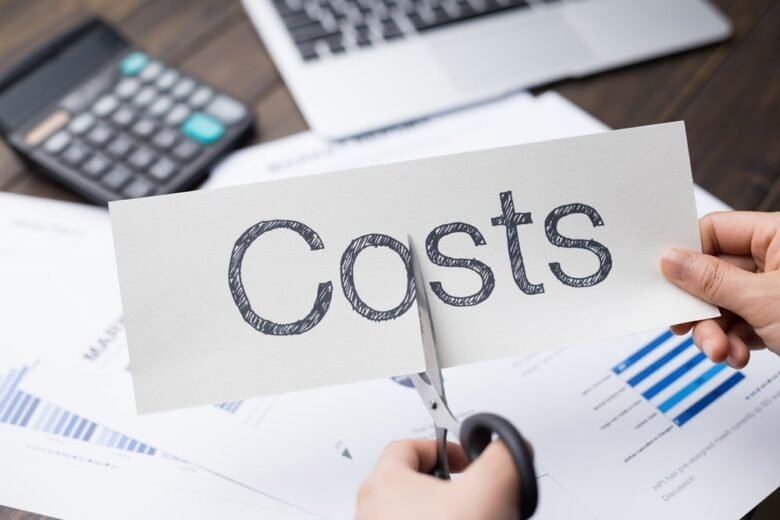
Saving doesn’t necessarily mean making big sacrifices or creating complex financial plans. Better budgeting often stems from daily, moderate spending habits. Making wise financial choices can help you pay off debt, save more, or manage your income long-term. Many people think budgeting means imposing restrictions, but the essence is smart management: spending money on what really matters and cutting back on other expenses. Master the right methods, and you can reduce your spending, take control of your finances, and enjoy life. This guide contains 12 simple tips for daily budgeting to help you save money and develop lasting financial habits that support your goals.
Daily Spending Monitoring:
Awareness is the first and most important step in budgeting. Tracking your daily expenses helps you monitor your spending and find ways to save. Most people underestimate the cost of coffee, snacks, and app subscriptions, but these can add up significantly in a month. Record all your expenses directly in a notebook, spreadsheet, or budgeting app. By regularly analyzing your spending, you’ll discover spending patterns and easy ways to save. Awareness can change your financial behavior, allowing you to maintain discipline in a relaxed and stress-free way.
Meal Planning and Home Cooking:
Eating out frequently can quietly erode your budget. Planning your meals and cooking at home is both frugal and healthy. Before you go grocery shopping, create a weekly menu and make a list of supplies. Sticking to the plan can prevent impulse buys. Making your meals ahead of time lessens the temptation to order takeout when you’re tired. With consistent effort, you can enjoy delicious and affordable home-cooked meals while saving significantly.
Reduce Impulsive Spending:
Impulsive spending is the hardest part of sticking to a budget. The “one thing only” mentality easily leads to overspending. Use the “24-hour rule” to avoid buying unnecessary things. This impulse will usually subside, saving you money and helping you declutter. Avoid shopping when stressed or bored, as emotions easily lead to impulsive purchases. Patience and rationality in shopping decisions help develop long-term financial discipline, simplifying budget management.
Set Daily Spending Limits:
Set daily spending limits instead of monthly limits. This breaks financial management down into smaller, easier steps. By setting aside €20 each day for personal expenses, you’ll think twice before overspending. Any money left over at the end of the day can be saved or carried over to the next day. This simple yet effective strategy helps you maintain your spending habits and clearly understand each expense, improving financial control without complicated calculations.
Use Cash for Non-Essentials:
While electronic payments are convenient, they can easily lead to overspending. Use cash to purchase non-essentials for better budget control. Simple and effective: stop spending when you run out of money. This strategy increases your spending awareness and helps you prioritize your purchases better. It also allows you to spend more rationally. This technique is a traditional but effective method for budget management.
Cancel Subscriptions You Rarely Use:
These days, many consumers pay for streaming platforms, fitness apps, software, and online memberships they rarely use. Review your recurring payments monthly. Please consider discontinuing services that are not essential. Even inexpensive subscriptions can cost hundreds of euros per year. Using that money to save or meet important needs is a simple and effective way to manage your daily expenses and improve your financial situation.
Plan Tasks Wisely and Travel Smartly:
Unplanned trips and inefficient routes waste time, fuel, and money. Combine multiple tasks into a single trip instead of multiple short trips. Carpool with friends, take public transportation, or walk or bike for short trips. These small improvements can help you save on fuel and car maintenance costs while improving your health and the environment. Plan your daily activities to save money without sacrificing convenience.
Make Coffee and Snacks at Home:
While €5 for coffee or snacks may not seem like much, it adds up. Making your own coffee or snacks at home can save you hundreds of euros a year. To fully enjoy making coffee and snacks, consider purchasing a decent coffee maker and reusable cups. Preparing snacks or lunch the night before prevents you from buying expensive, ready-made meals. A simple lifestyle change can improve your budget and time management.
Shop with a Purpose:
Shopping consciously is an easy way to save money. Make a grocery list before shopping online or browsing, and stick to it. Avoid “random shopping” to prevent impulse buys. Compare prices at different stores or websites to find the best deals. Focus on what you really need when shopping and manage emotional spending. More rational shopping habits give you more control over your budget.
Avoid Buying at Full Price:
Paying full price is often unnecessary due to discounts, membership points, and cashback offers. Check for coupons, promotions, or discounts before buying. Wait for seasonal sales or clearances before buying non-essential items. Price tracking software can alert you to price drops. These simple habits can save you a lot of money without drastically changing your lifestyle.
Saving Energy at Home:
Saving on daily expenses includes groceries and household expenses. Turning off lights when not in use, unplugging appliances, and using energy-efficient appliances all reduce your energy bill. Adjusting your thermostat can reduce heating and cooling costs. By maintaining these habits long-term, you’ll gradually improve your budget. A more sustainable lifestyle is beneficial for both the environment and your wallet.
Check Your Finances Regularly:
Budgets only work if they’re followed consistently. Check your finances regularly or weekly, even if it’s just a simple overview. Review your expenses, bills, and goals. Regular check-ins can prevent late fees, identify problems, and maintain motivation. Financial literacy can save money and boost your confidence. Actively participating in financial management makes budgeting easier. Finances quickly become a habit, not a burden.
Conclusion:
Saving doesn’t mean sacrificing comfort or enjoyment. Daily budgeting can help you build a financially stable and fulfilling lifestyle. The key is consistency: small daily choices yield significant long-term benefits. Making your own coffee, managing your spending, and shopping wisely can improve your finances. A good budget gives you peace of mind and flexibility and allows you to focus on what really matters. Start small today, make conscious choices, and you’ll find that every wise decision can easily increase your savings.
FAQs:
1. How do I budget my daily expenses?
Start small. Develop one or two financial habits each day until they become habitual. Consistency is more important than perfection.
2. How can I easily track my daily expenses?
Use a mobile budgeting app or a simple notebook. By tracking every expense directly, you can keep track of your spending.
3. Can small changes save a lot of money?
Choosing not to eat out or canceling subscriptions can save hundreds or even thousands of dollars a year.
4. How do I handle unexpected expenses?
Slowly build an emergency fund. Even small monthly expenses can create a safety net for unexpected needs without blowing your budget.
5. Can I enjoy life and save money at the same time?
Absolutely. The key to budgeting is making conscious choices and not denying yourself the right to enjoy life. Cut unnecessary expenses and spend your money on things that make you feel good.